
Overflowing Toilets Plumbing Services in White Rock, SC
White Rock Overflowing Toilets Experts ready now in Richland County
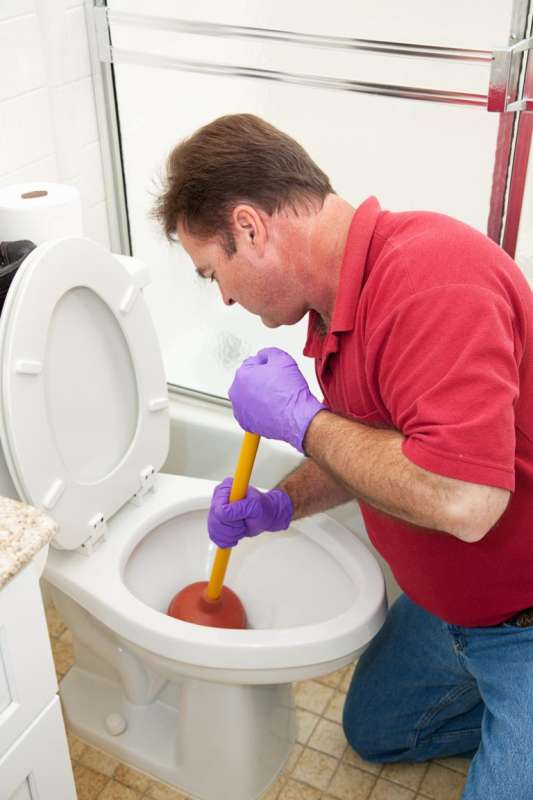
Overflowing Toilets is an emergency plumbing service that addresses sudden overflows and component malfunctions. Technicians assess causes such as clogs, faulty fill valves, or sewer line issues, and apply sanitation and repair methods to reestablish function. This service is essential for maintaining hygiene and preventing water damage
We provide excellent Plumbing services throughout Richland County. Whether you need help with Overflowing Toilets or other issues, our Professionals is ready.

Plumbing Services in White Rock, SC
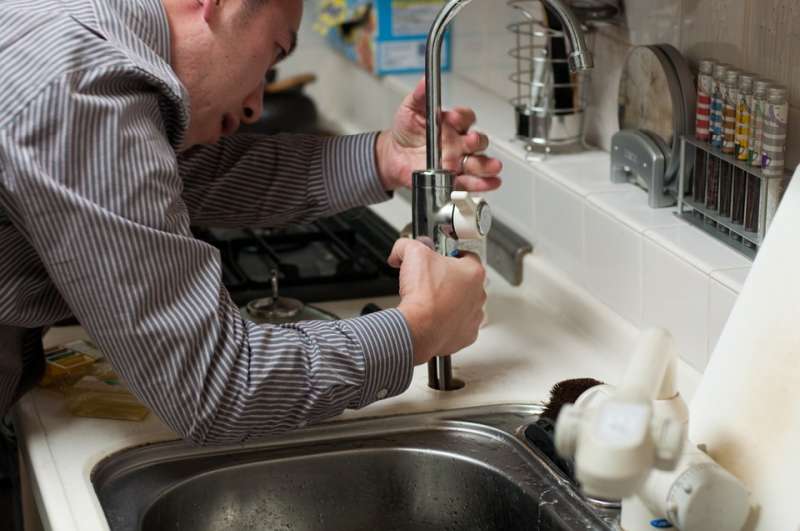
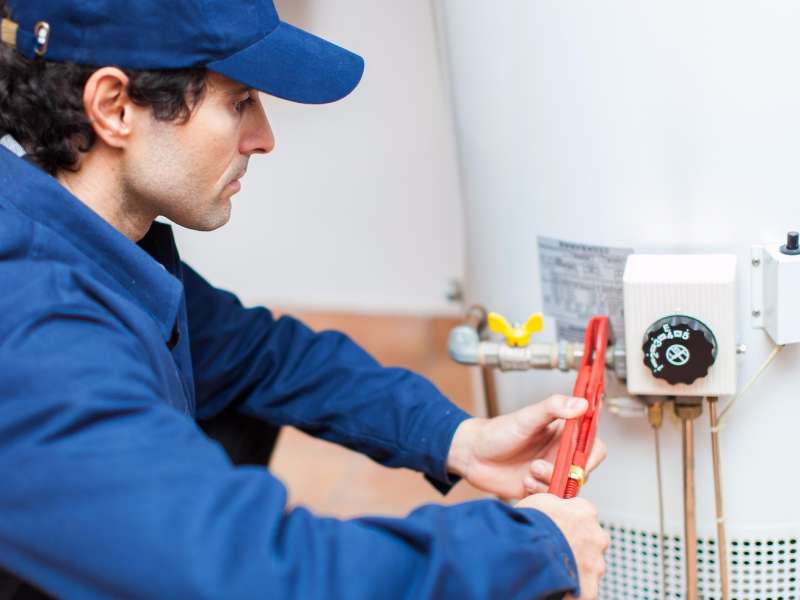
Installing dishwashing machines, hot water heater (tank and tankless), garbage disposals, and washing devices.
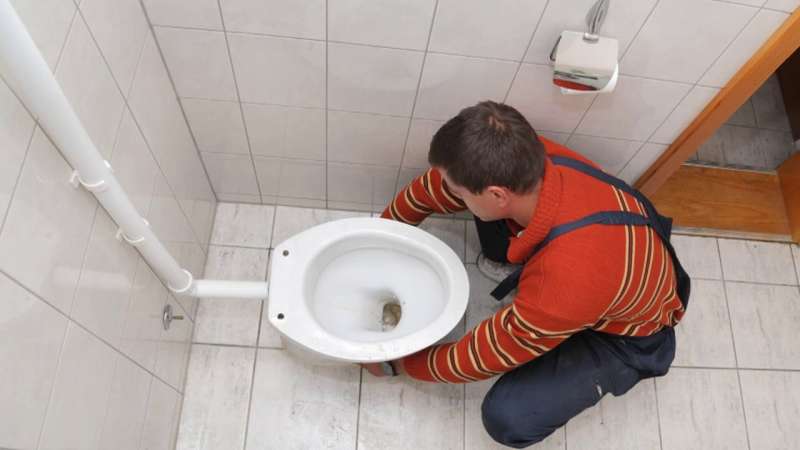
Ensuring backflow prevention gadgets are working properly.
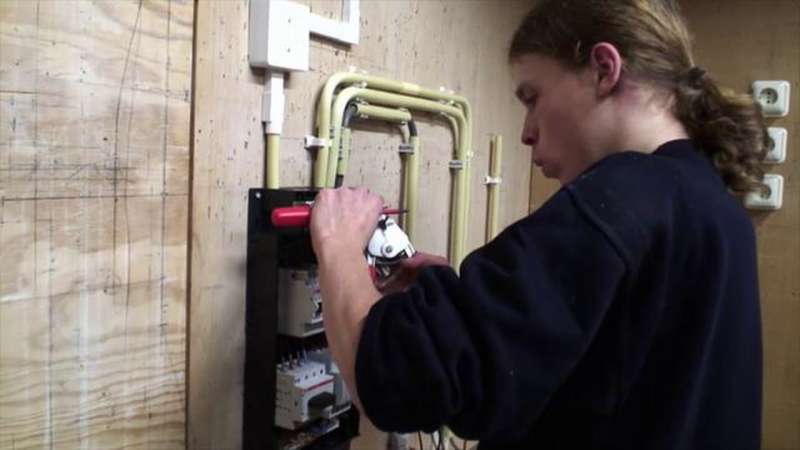
Relocating or updating plumbing systems.
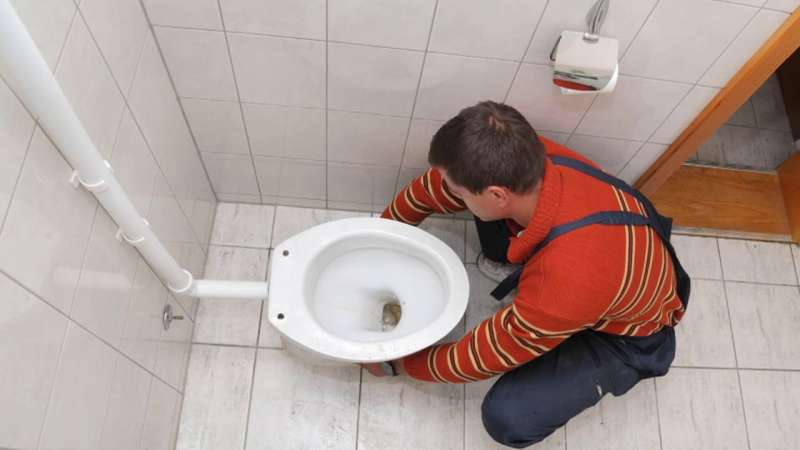
Guaranteeing plumbing systems meet regional regulations.
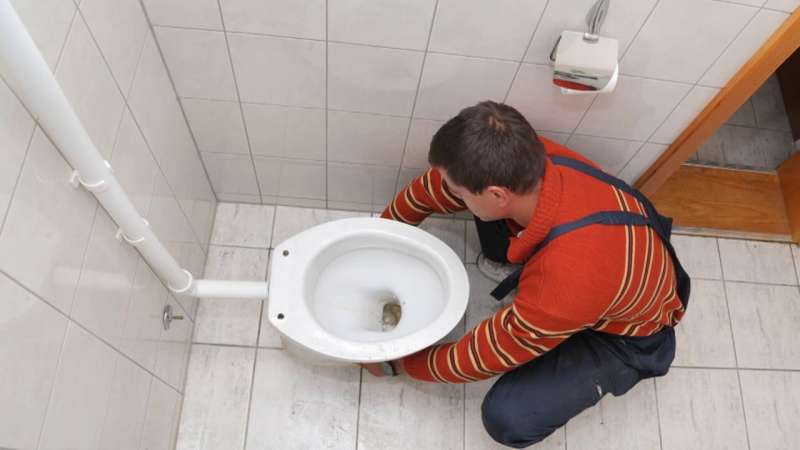
Immediate response to prevent flooding and water damage.
Clearing clogs in sinks, toilets, showers, and sewer lines.
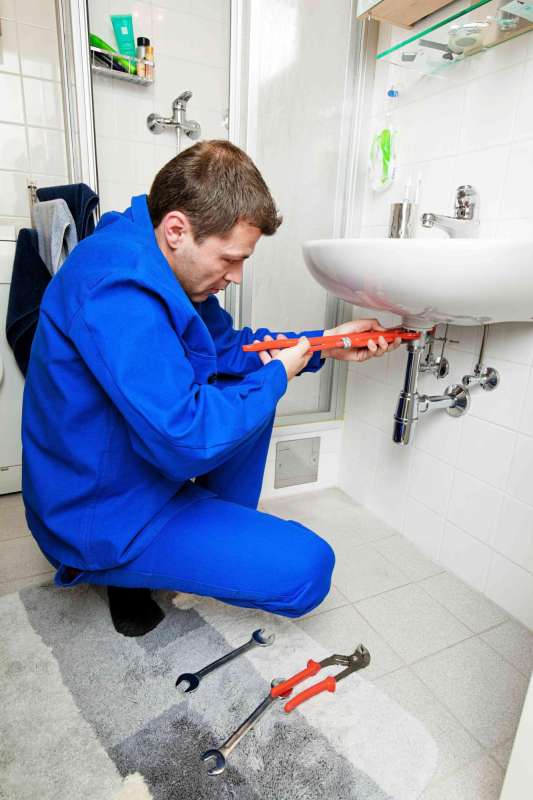
Routine cleaning to prevent blockages and keep flow.
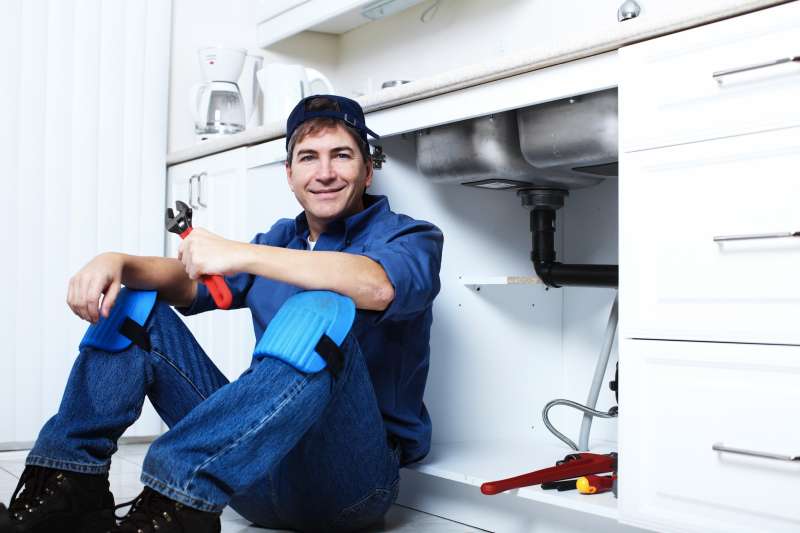
Fixing malfunctioning faucets, toilets, and other fixtures.
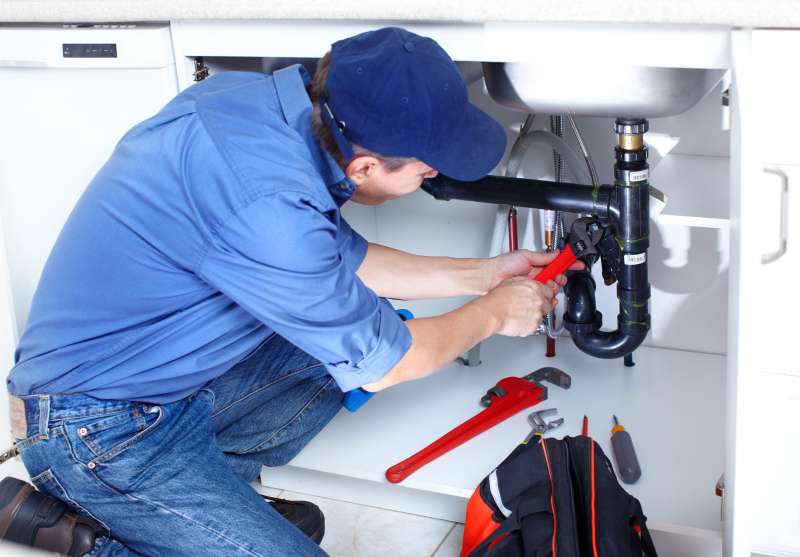
Installation of sinks, faucets, toilets, bathtubs, and showers.

Emergency detection and repair to prevent risks.
Repairing gas leakages and making sure proper gas line functioning.
Setting up systems for recycling family wastewater.
Setting up and preserving radiant flooring heating systems.
Specialized piping for factories or industrial settings.
Installing and keeping outdoor irrigation.

Plumbing systems for brand-new structures or renovations.
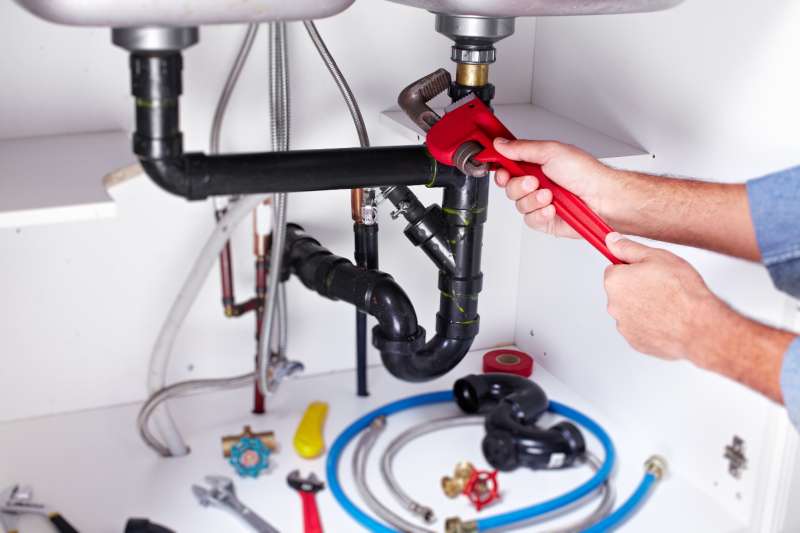
Repairing leaks in pipes, faucets, toilets, and devices.
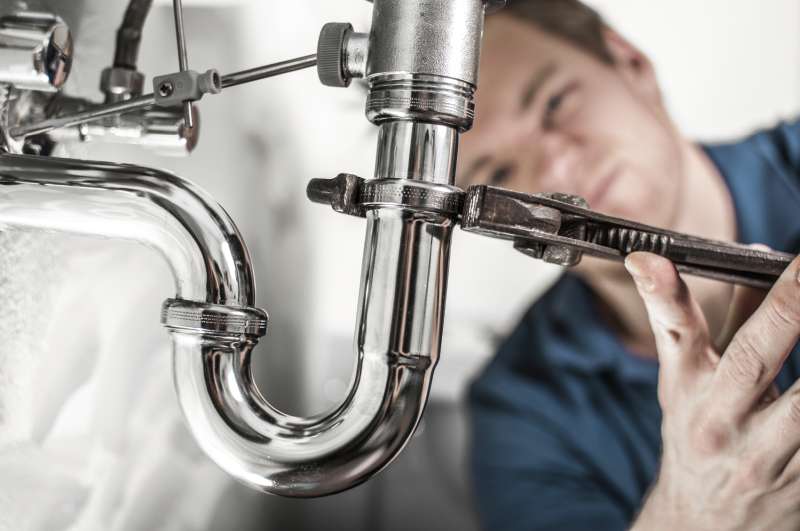
Quick resolution of extreme blockages and overflows.
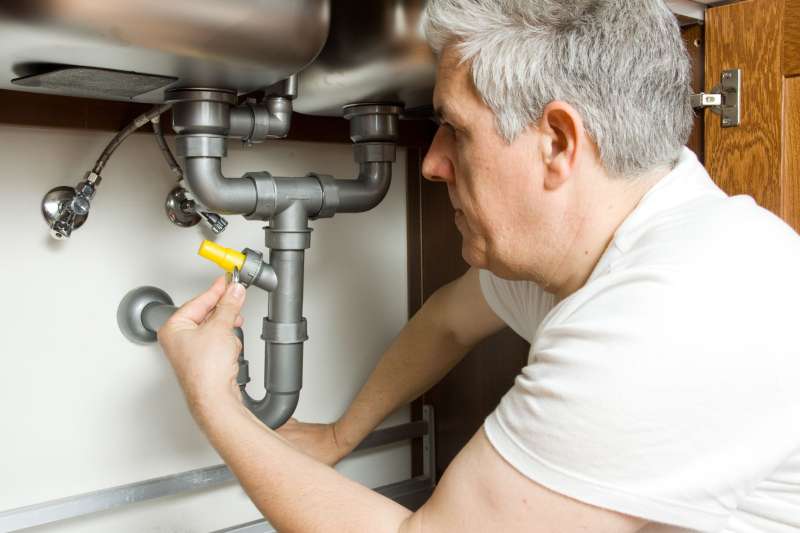
Utilizing cams to check pipes for damage or blockages.
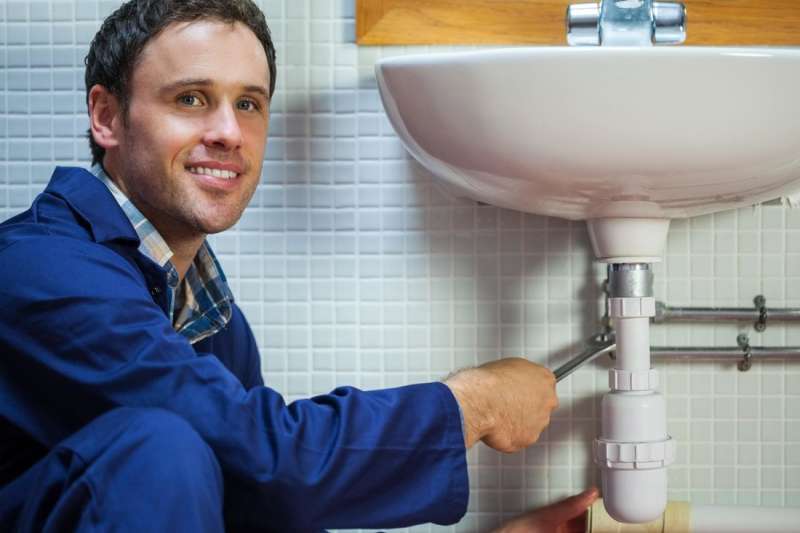
Fixing or replacing burst, worn away, or damaged pipes.
Setting up brand-new piping systems for water, gas, and drainage.
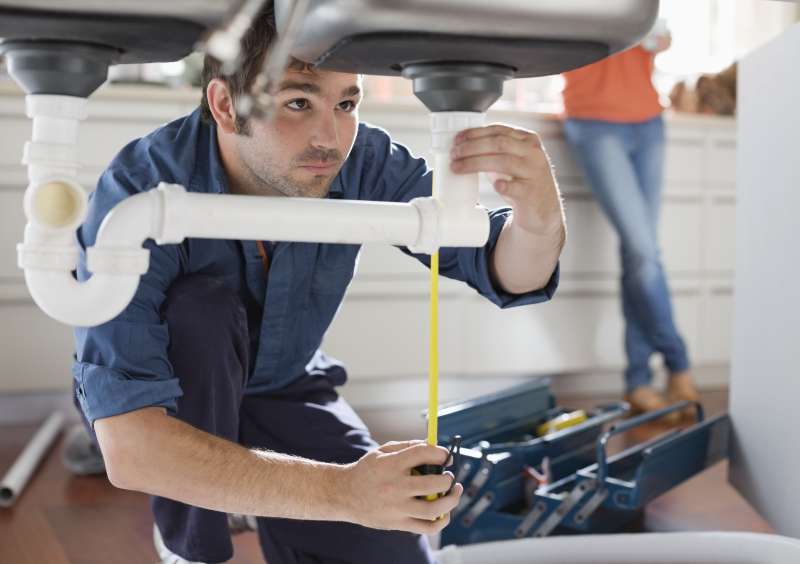
Assessing plumbing systems before buying property.
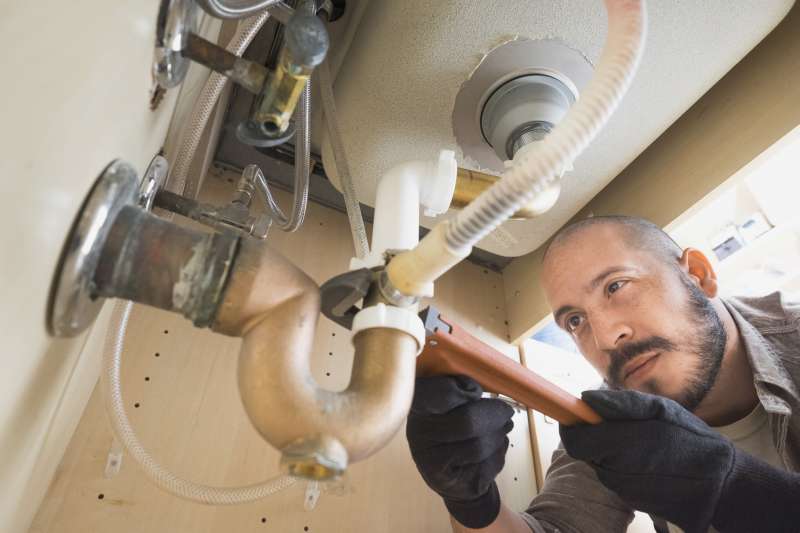
Setting up systems to gather and make use of rainwater.
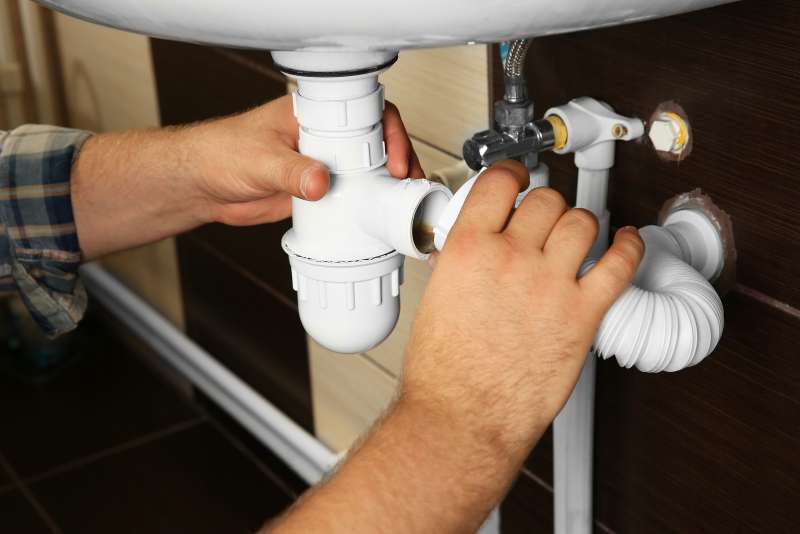
Ongoing upkeep services for companies.
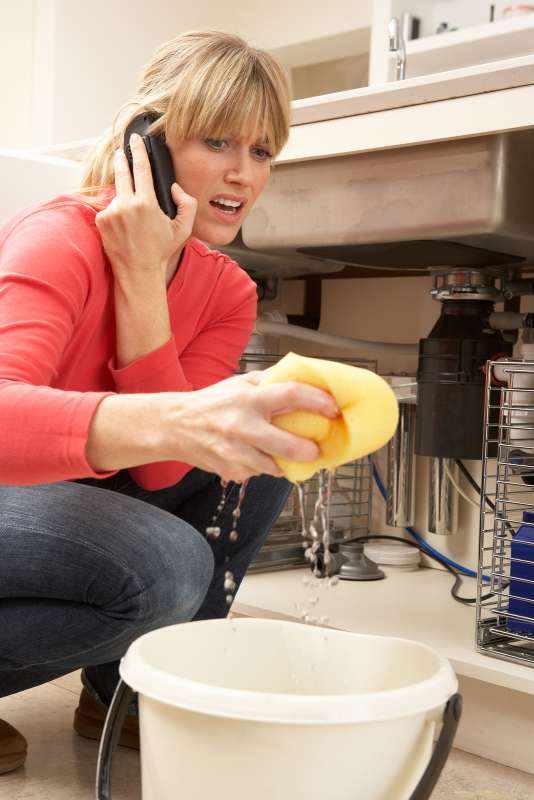
Setting up, fixing, and maintaining sewage-disposal tanks.
Handling groundwater in basements.
Setting up water-efficient or modern fixtures.
Advising on water-saving techniques and products.
Installing water softeners and filtration systems.
Flushing and checking water heaters to prolong life-span.
Dealing with problems with temperature, leaks, or failure to heat water.
Securing basements or other areas from water intrusion.
Immediate attention to prevent contamination and health threats.